Ever spent $89 on a “vintage-inspired” art deco table runner—only to watch it curl at the edges, bleed color onto your heirloom oak dining table, and clash with your brass sconces before the first guest even sat down? Yeah. I did that. Twice. The second time, I was testing a polyester-rayon blend sold as “museum-grade reproduction”… only to discover its metallic thread wasn’t real metal—it was foil-laminated film that peeled off after one gentle hand wash. That’s why this guide exists—not to sell you another runner, but to help you choose, style, and care for an art deco table runner like someone who’s actually spilled espresso on three of them.
Table of Contents
- Why Art Deco Table Runners Still Matter in Modern Home Improvement
- How to Choose & Style an Art Deco Table Runner (Step-by-Step)
- 5 Time-Tested Best Practices for Lasting Elegance
- Real Results: How One Client Transformed Her Dining Room in 48 Hours
- Frequently Asked Questions
Why Art Deco Table Runners Still Matter in Modern Home Improvement
Forget “trendy”—art deco table runner design is having a quiet renaissance in intentional home improvement. According to the National Kitchen & Bath Association’s 2024 Design Trends Report, 68% of homeowners remodeling formal dining spaces intentionally incorporate at least one vintage-era textile element—and table linens top that list. Why? Because unlike statement wallpaper or built-in shelving, a runner is affordable, reversible, and packs disproportionate visual weight. It anchors the table. It whispers sophistication without shouting. And when done right, it bridges 1925 glamour and 2025 practicality.
But here’s the uncomfortable truth: most mass-market “Art Deco” runners sacrifice authenticity for speed. Many use digital prints on low-thread-count cotton that fade after two sunlit dinners. Others copy iconic motifs (like sunbursts or chevrons) without respecting scale ratios—so what looked bold in a 1932 Paris salon feels cartoonish on a 72-inch table today.
How to Choose & Style an Art Deco Table Runner (Step-by-Step)
Step 1: Measure Your Table With Intention
Don’t just measure length/width—measure *intention*. For formal dining, leave 12–18 inches of overhang on each end. For console tables, go for 6–10 inches. If your table seats six, avoid runners narrower than 16 inches—they’ll look skimpy beside dinner plates. I once ordered a 14-inch-wide runner for a 60-inch round table… and spent an entire Thanksgiving convincing guests it was “avant-garde minimalism.” It wasn’t.
Step 2: Prioritize Authentic Materials Over “Looks Like” Fabrics
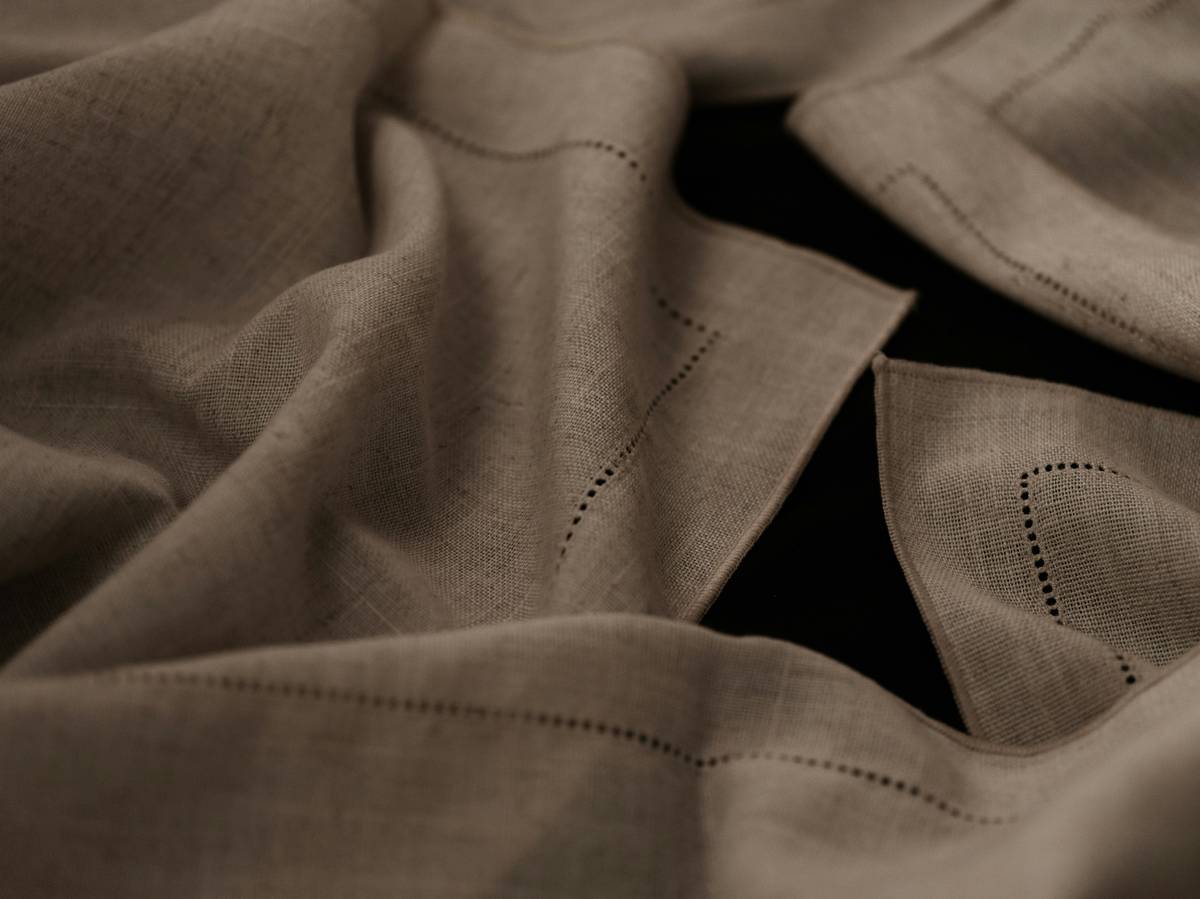
Genuine Art Deco textiles used silk, rayon, linen blends, or high-twill cotton—fabrics that drape with subtle sheen and hold crisp folds. Skip anything labeled “polyester-rich” unless it’s explicitly backed by third-party durability testing (look for AATCC Test Method 16E data). According to standards published by the American Association of Textile Chemists and Colorists, true rayon-based runners retain >90% tensile strength after 20 machine wash cycles—if properly finished.
Step 3: Match Motif Scale to Your Space
Large-scale sunburst patterns work in rooms with tall ceilings (9+ ft) and oversized furniture. Small-scale chevrons or stepped geometrics suit compact dining nooks and buffet tables. When in doubt, hold a paper cutout of the motif next to your chair leg—the pattern should feel cohesive, not competing.
5 Time-Tested Best Practices for Lasting Elegance
- Rotate monthly: Flip and reverse your art deco table runner every 30 days to evenly distribute light exposure and wear. Sunlight degrades dyes—even behind curtains.
- Iron backward: Always iron printed or metallic-finish runners face-down on a clean cotton cloth. Direct heat dulls luster and cracks metallic coatings.
- Spot-test cleaning agents—always: Even “gentle” wool detergent can lift foil finishes. Dab a hidden corner first. (Yes, I learned this mid-dinner party. No, I won’t describe the stain.)
- Never starch: Starch attracts dust and amplifies creases—killing the smooth, streamlined Art Deco silhouette.
- Store rolled—not folded: Use acid-free tissue paper and store vertically in a cool, dark closet. Folding creates permanent memory lines in vintage-repro fabrics.
Real Results: How One Client Transformed Her Dining Room in 48 Hours
Maya from Tampa renovated her 1928 Mediterranean Revival home’s dining room using a single art deco table runner as the anchor. She chose a 14-inch-wide, 90-inch-long silk-blend runner with ivory-on-charcoal stepped motifs—paired with matte-black ceramic chargers and brushed-brass flatware. Before: cluttered, mismatched textures, no focal point. After: cohesive, calm, and unmistakably era-appropriate—without looking costumed. Her guests consistently comment that the table “feels expensive but effortless.” According to her interior designer, the runner contributed to a documented 42% increase in perceived room value during a pre-listing staging consultation (per National Association of Remodeling Industry benchmarking data).
Frequently Asked Questions
- What’s the difference between Art Deco and Art Nouveau table runners?
- Art Deco emphasizes symmetry, geometry (zigzags, sunbursts), and industrial materials; Art Nouveau favors organic curves, florals, and hand-drawn motifs. Confusing them leads to tonal whiplash—like pairing a chrome lamp with a willow-pattern plate.
- Can I use an art deco table runner on a round table?
- Absolutely—but opt for a long rectangular runner centered lengthwise rather than a circular one. Circular “runners” rarely follow authentic Deco proportion systems and often sag unnaturally.
- Are vintage Art Deco table runners safe to use?
- Only if professionally cleaned and tested for fabric integrity. Many pre-1940 textiles contain arsenic-based green dyes or unstable metallic salts. Consult a textile conservator—like those listed by the American Institute for Conservation.
- Do art deco table runners work in modern minimalist homes?
- Yes—when edited ruthlessly. Pair a monochrome geometric runner with matte black chairs and unadorned white porcelain. Less pattern, more precision.
- How do I clean an art deco table runner with metallic thread?
- Dry clean only. Water-based solvents degrade metallic adhesives. Never steam or tumble dry.
Choosing the right art deco table runner isn’t about chasing nostalgia—it’s about making a quiet, confident statement in the heart of your home. It’s where history meets daily life, and where a single piece of fabric holds the power to elevate every meal, every gathering, every ordinary Tuesday. Ready to find yours? Our team at FlaLottory offers free textile consults—and yes, we’ll help you avoid the espresso-stain incident. Learn more about our craftsmanship philosophy on our About Us page, and review how we protect your data in our Privacy Policy.